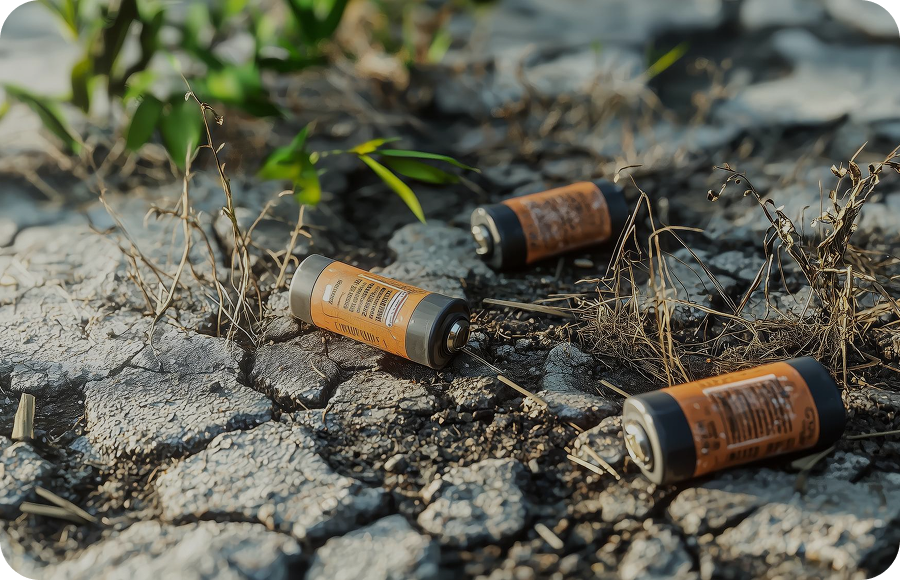
As the world shifts toward renewable energy and electric vehicles (EVs), the demand for lithium-ion batteries is skyrocketing. However, with this surge comes a critical challenge: what happens to these batteries at the end of their lifecycle? Without sustainable solutions, battery waste could become an environmental hazard. Fortunately, advancements in battery recycling—like ReVolt Inc.’s Green Loop Recycling—are transforming waste management into a valuable resource recovery process.
Lithium-ion batteries power everything from smartphones to EVs, but they contain materials like cobalt, nickel, lithium, copper, and aluminum, which are finite resources. Traditionally, mining these materials has led to environmental degradation and human rights concerns. Recycling these batteries not only reduces the demand for new mining but also minimizes waste, lowers carbon footprints, and supports a circular economy—where materials are continuously reused rather than discarded.
Governments worldwide are implementing stricter regulations on battery disposal and mandating higher recycling rates. In the EU, for example, new battery regulations require 70% material recovery rates by 2030. Similarly, the U.S. Inflation Reduction Act incentivizes domestic battery recycling to strengthen the supply chain.
The battery recycling market is projected to exceed $35 billion by 2031, driven by the growing EV industry and sustainability commitments by major tech and automotive companies.
At ReVolt Inc, we are committed to closing the loop on battery waste through Green Loop Recycling. Our process eciently recovers cobalt, black mass, aluminum, copper, and iron, ensuring that these critical materials are reused in new batteries and electronics. By investing in innovative recycling technologies, we aim to make battery waste a thing of the past.
The future of lithium-ion battery recycling is bright, sustainable, and essential for a greener planet. With innovations like AI-driven sorting, hydrometallurgical processes, and closed-loop systems, we are entering a new era where battery waste is no longer a problem but an opportunity.
Want to learn more about how ReVolt Inc is leading this change? Contact us today to explore partnership opportunities in sustainable battery recycling.
Power Change with Revolt Inc
Your Career in Battery Recycling Starts Here!
Managed by: Littlebig.in
